Urania’s Mirror
Urania’s Mirror
Artist
Sidney Hall
Sidney Hall
Date
January 1, 1825
January 1, 1825
Medium
Hand-colored etching
Hand-colored etching
Dimensions
13 × 17.5 cm
13 × 17.5 cm
Artworks & Descriptions
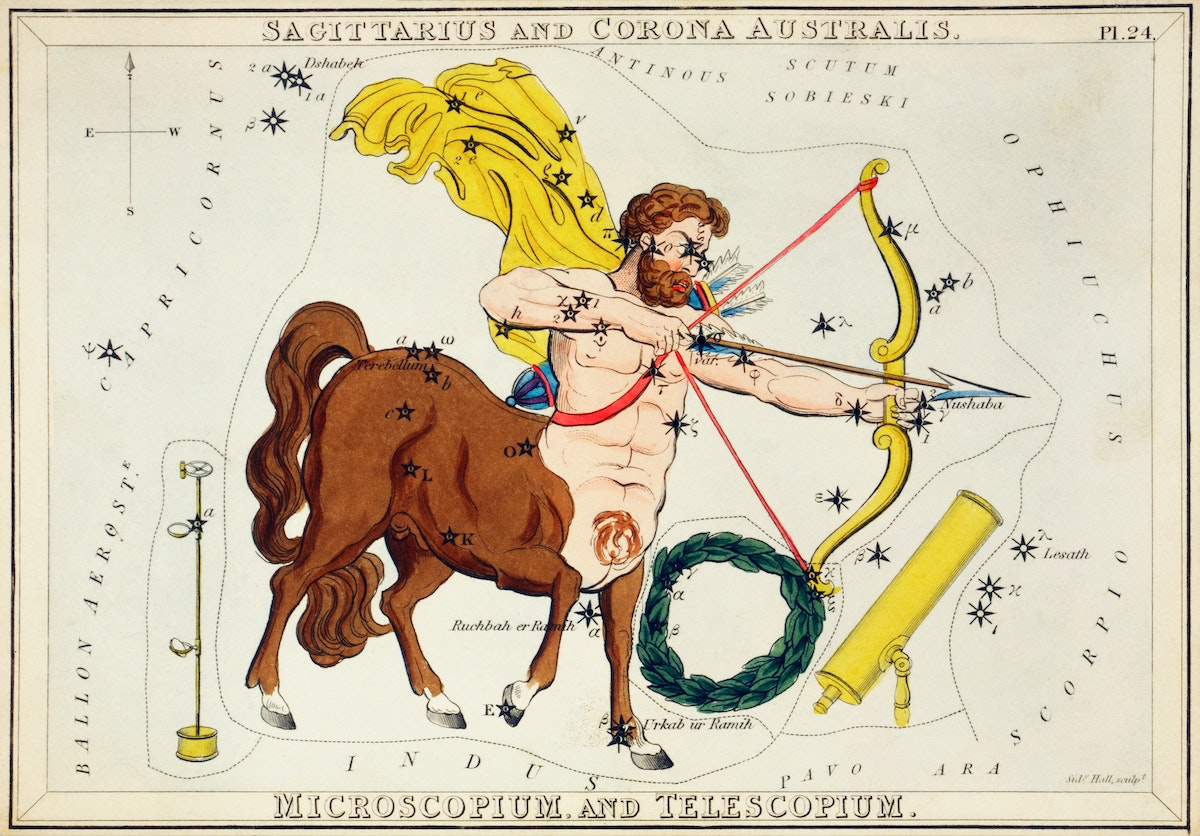
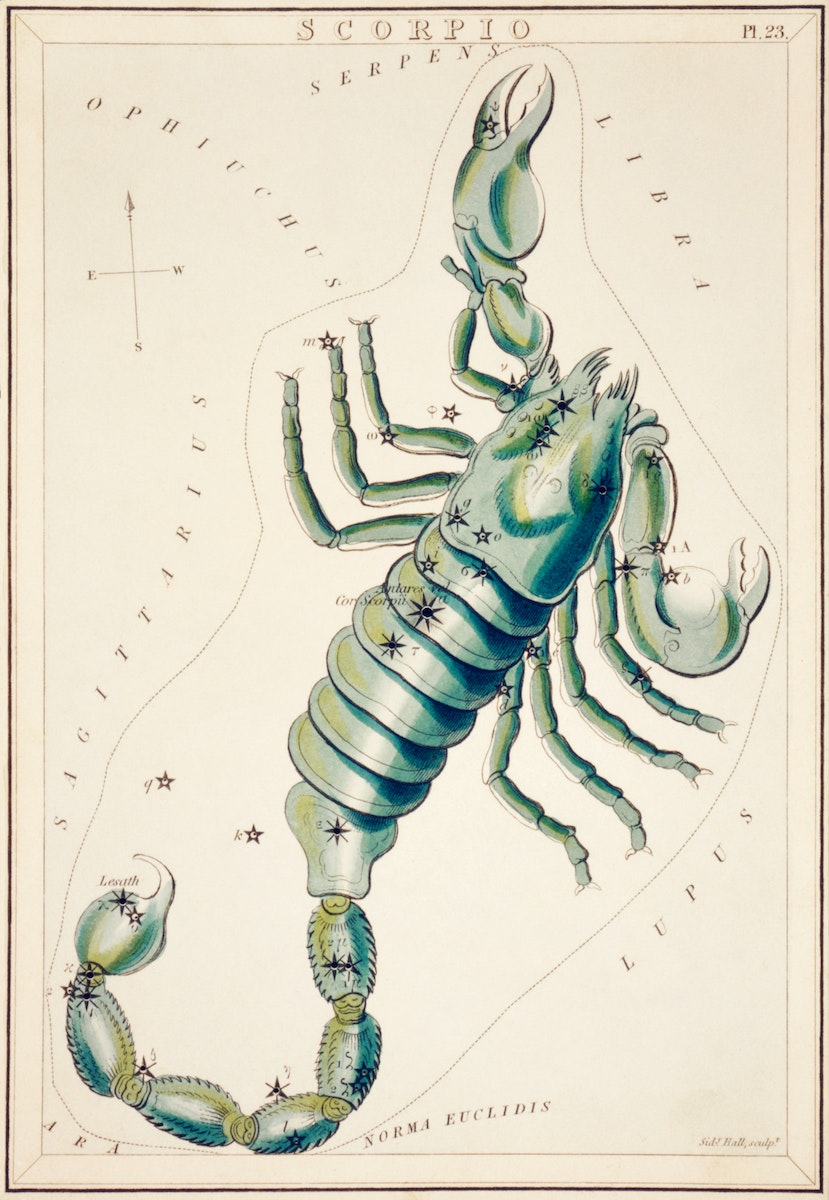
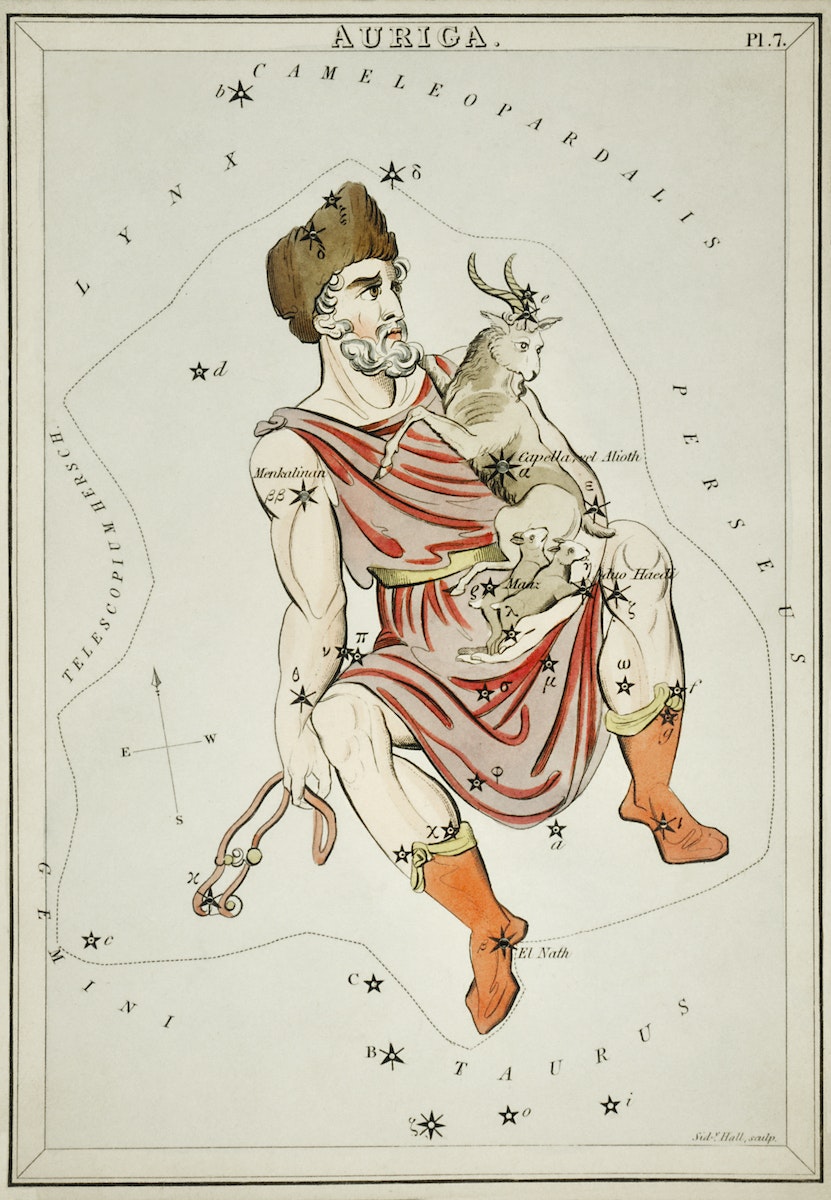
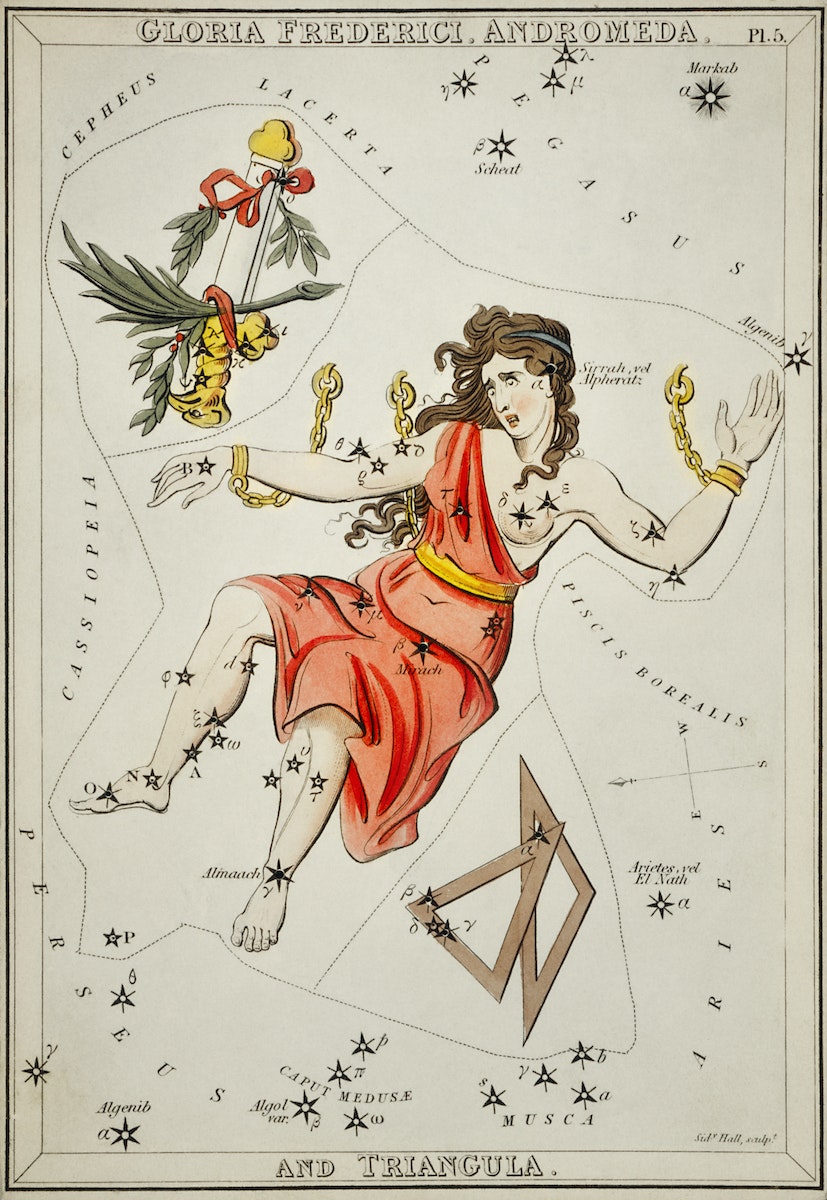
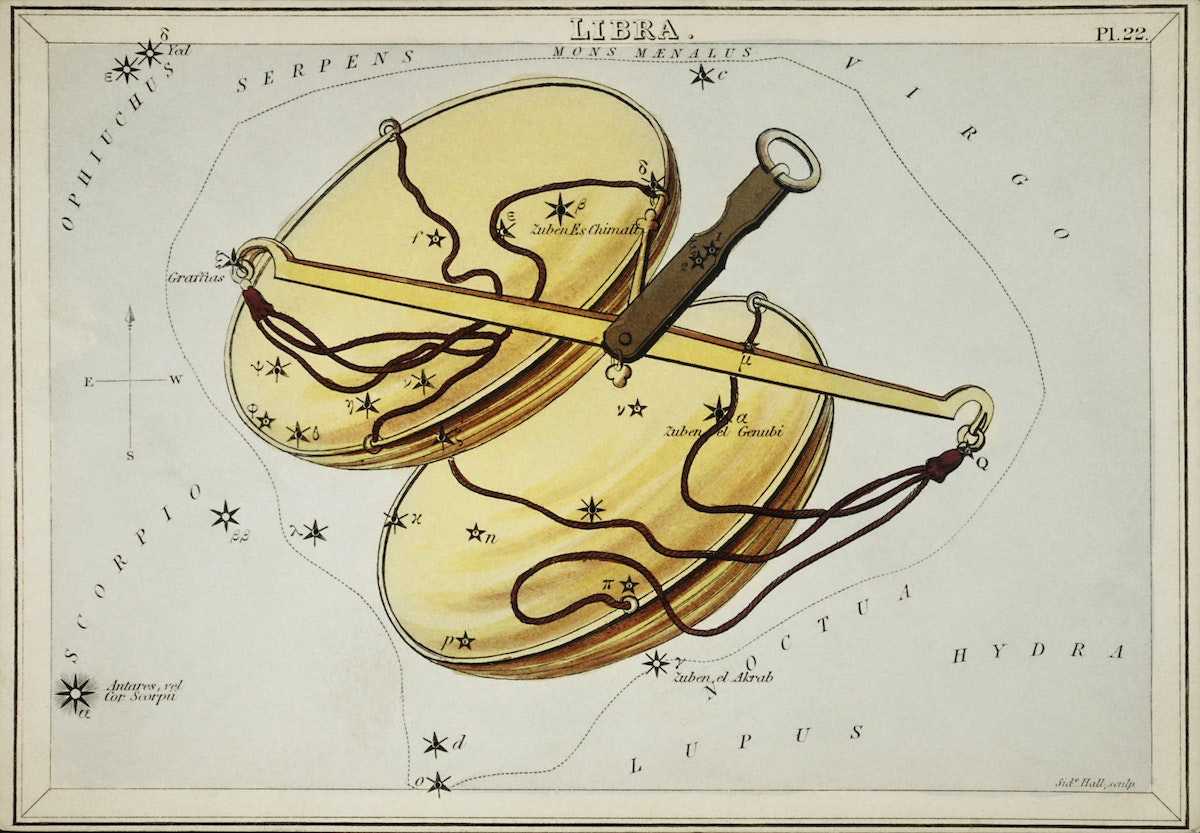
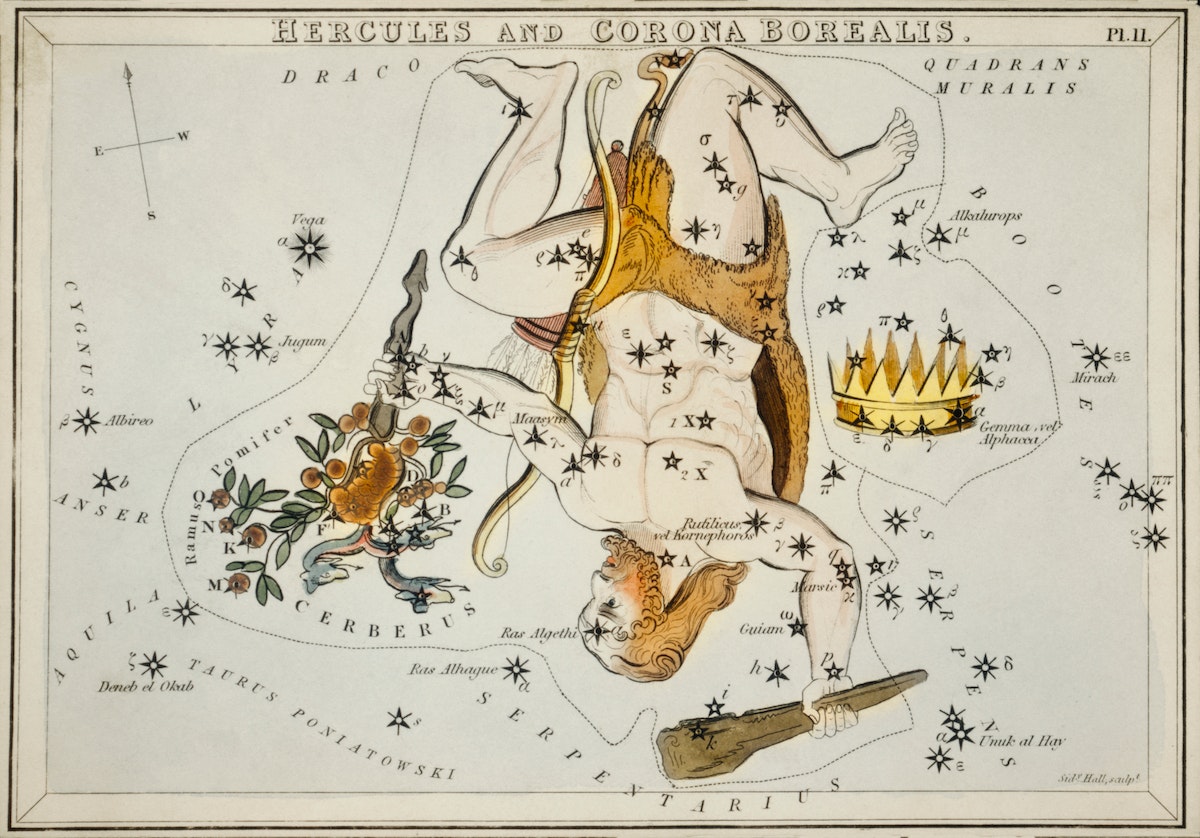
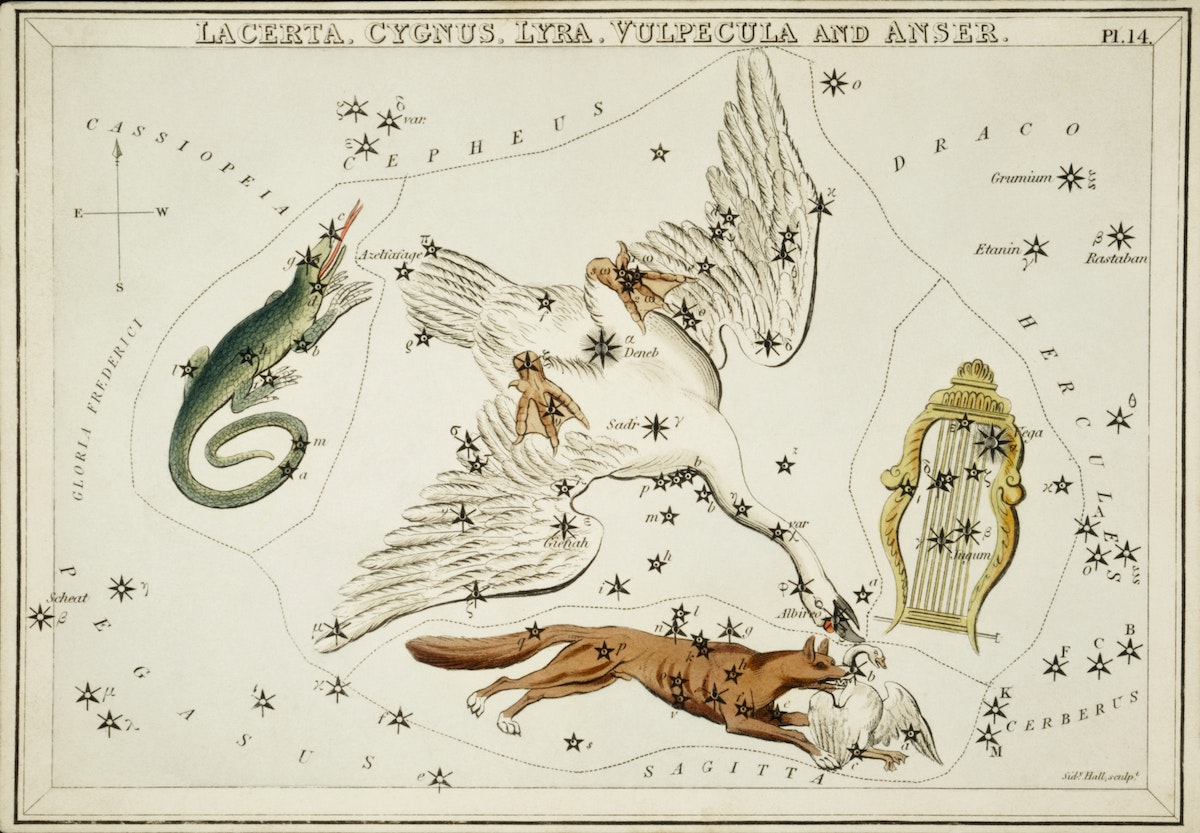
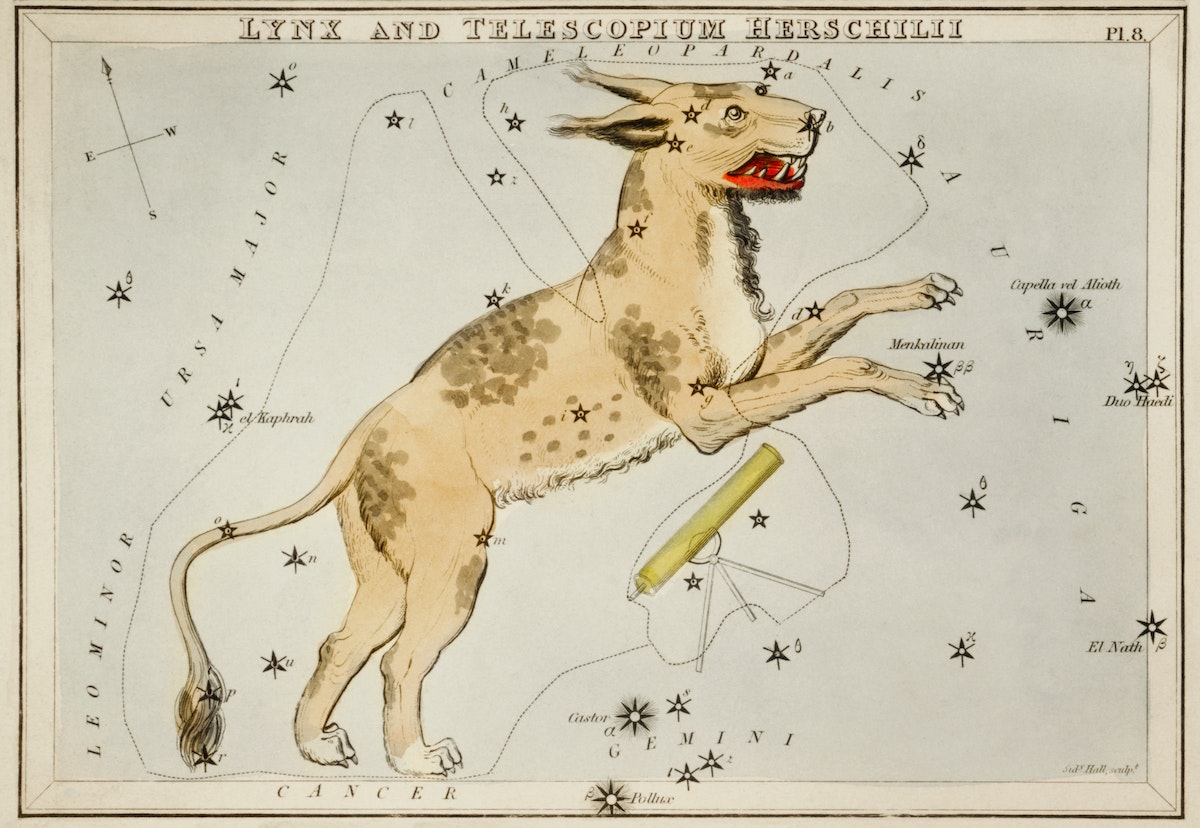
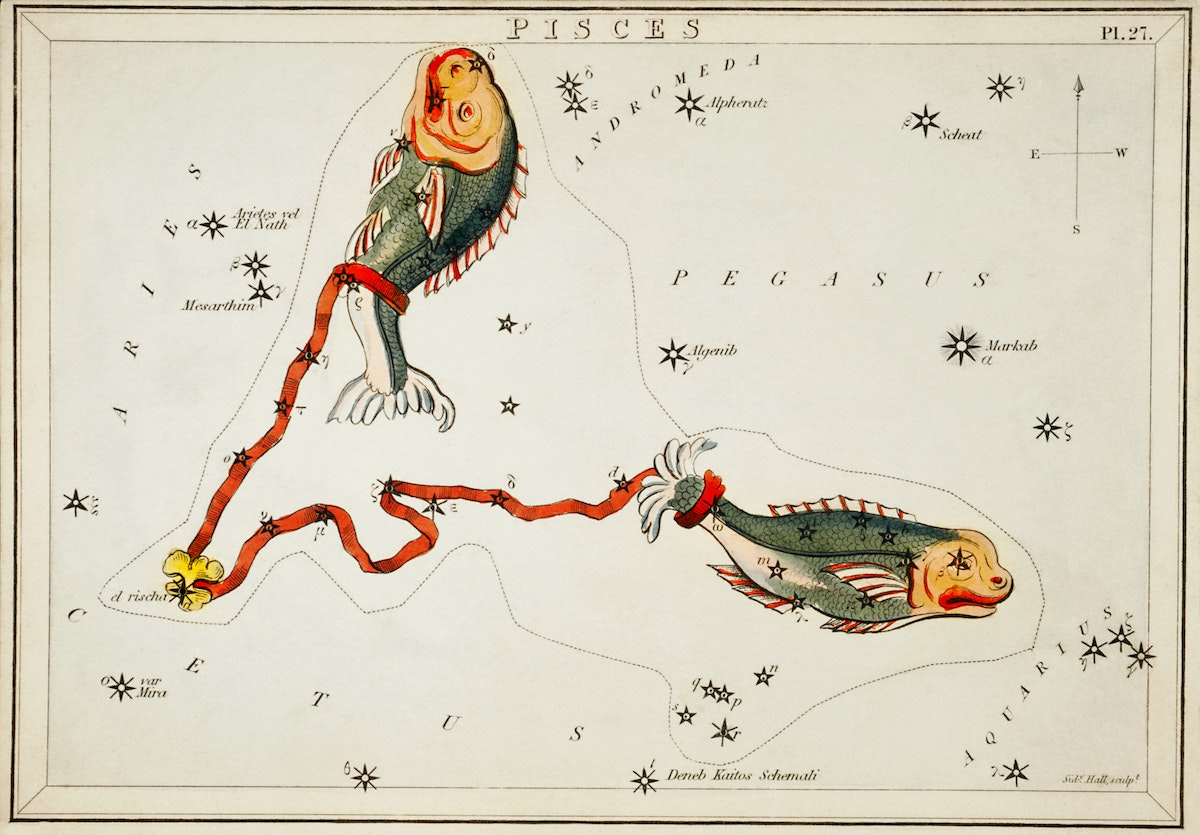
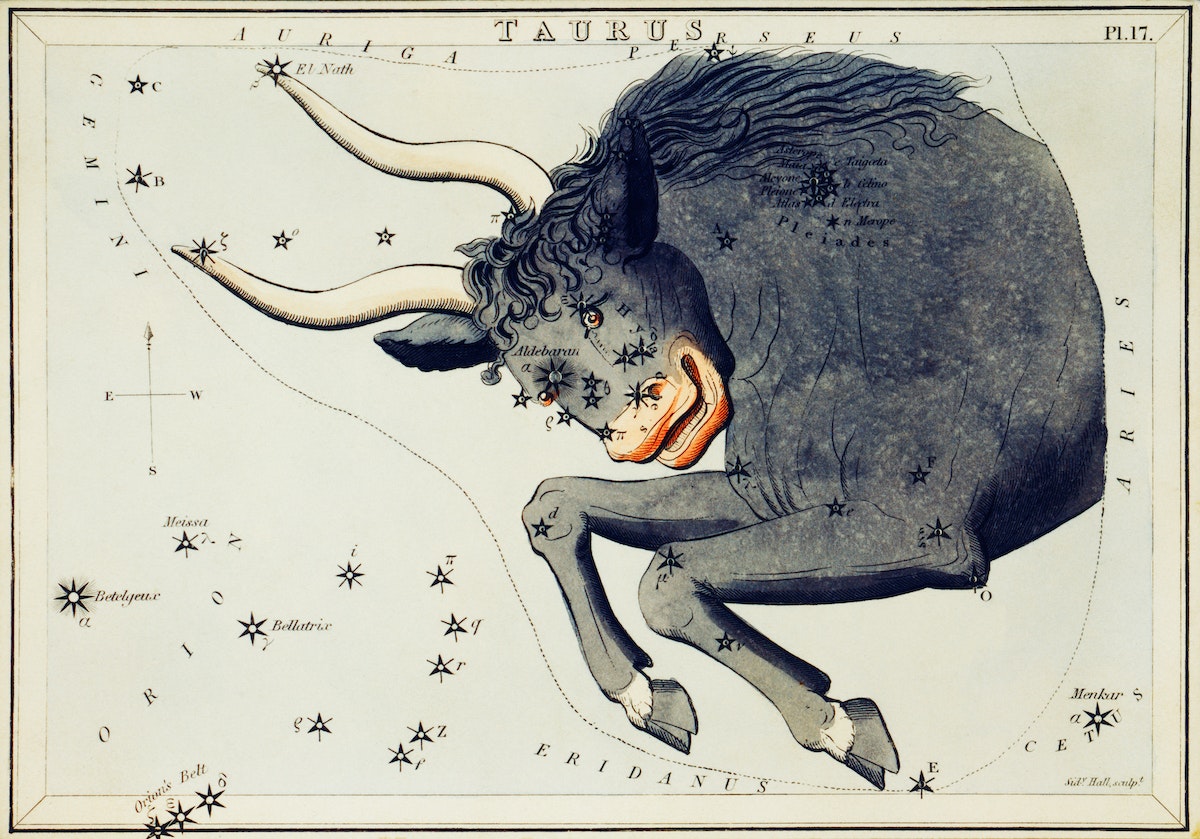
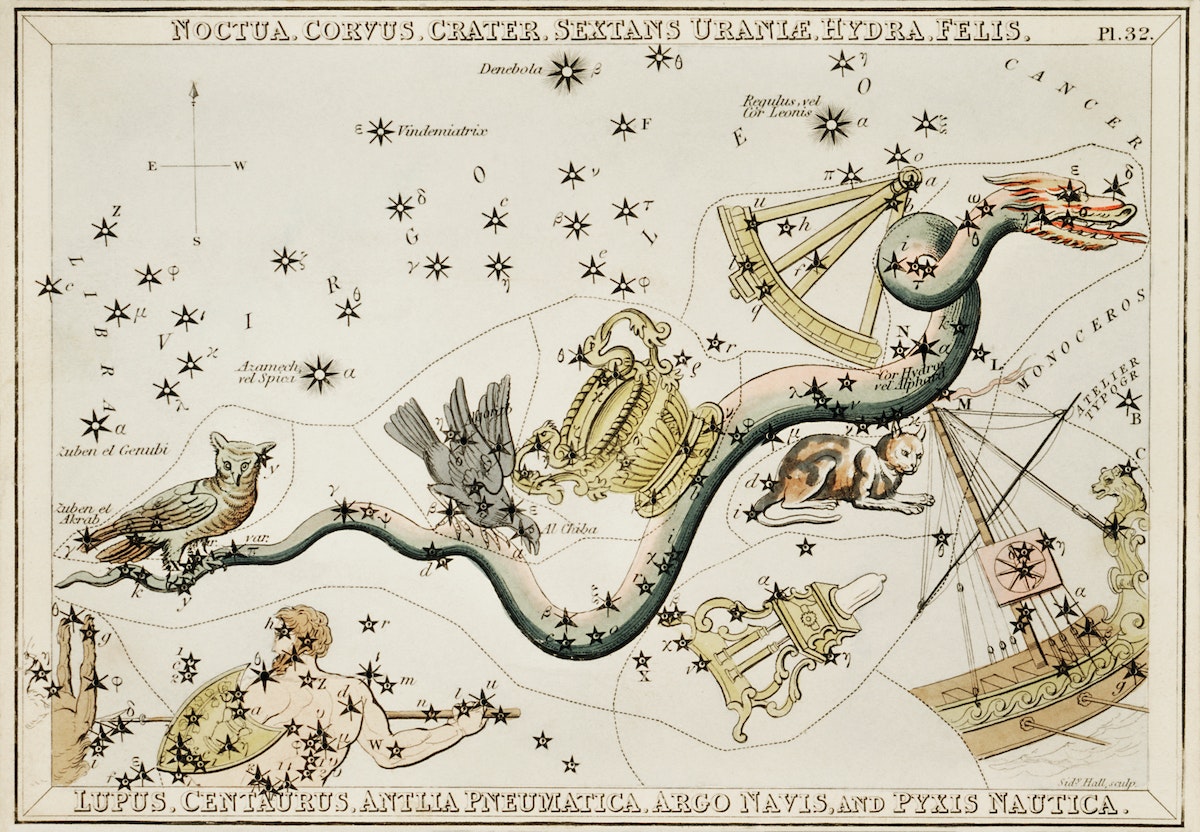
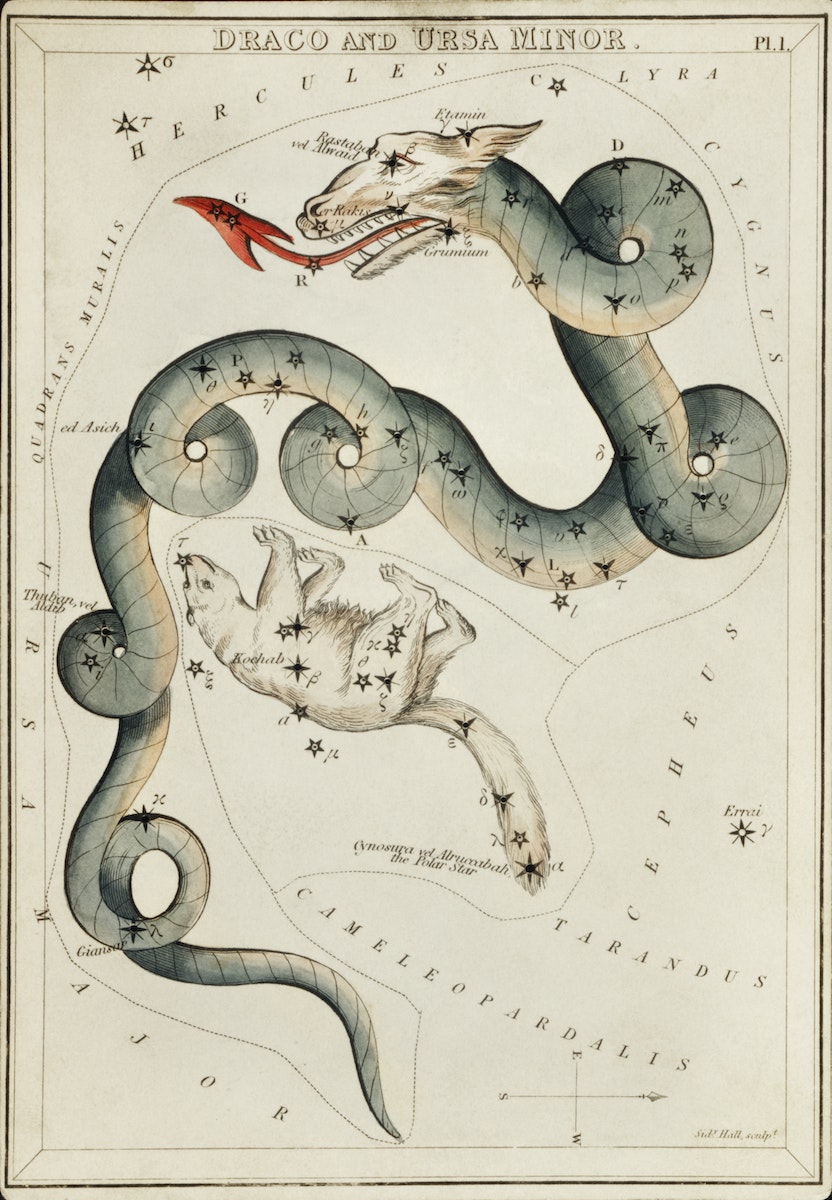
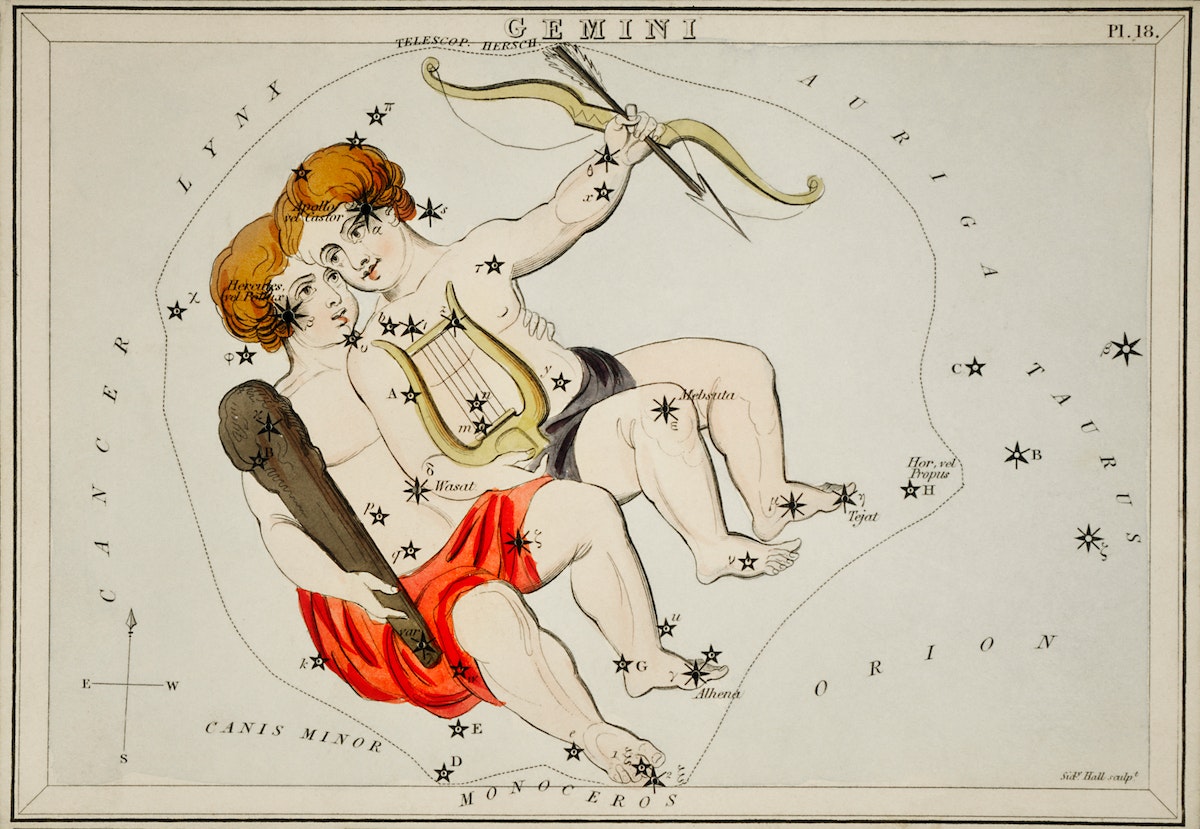
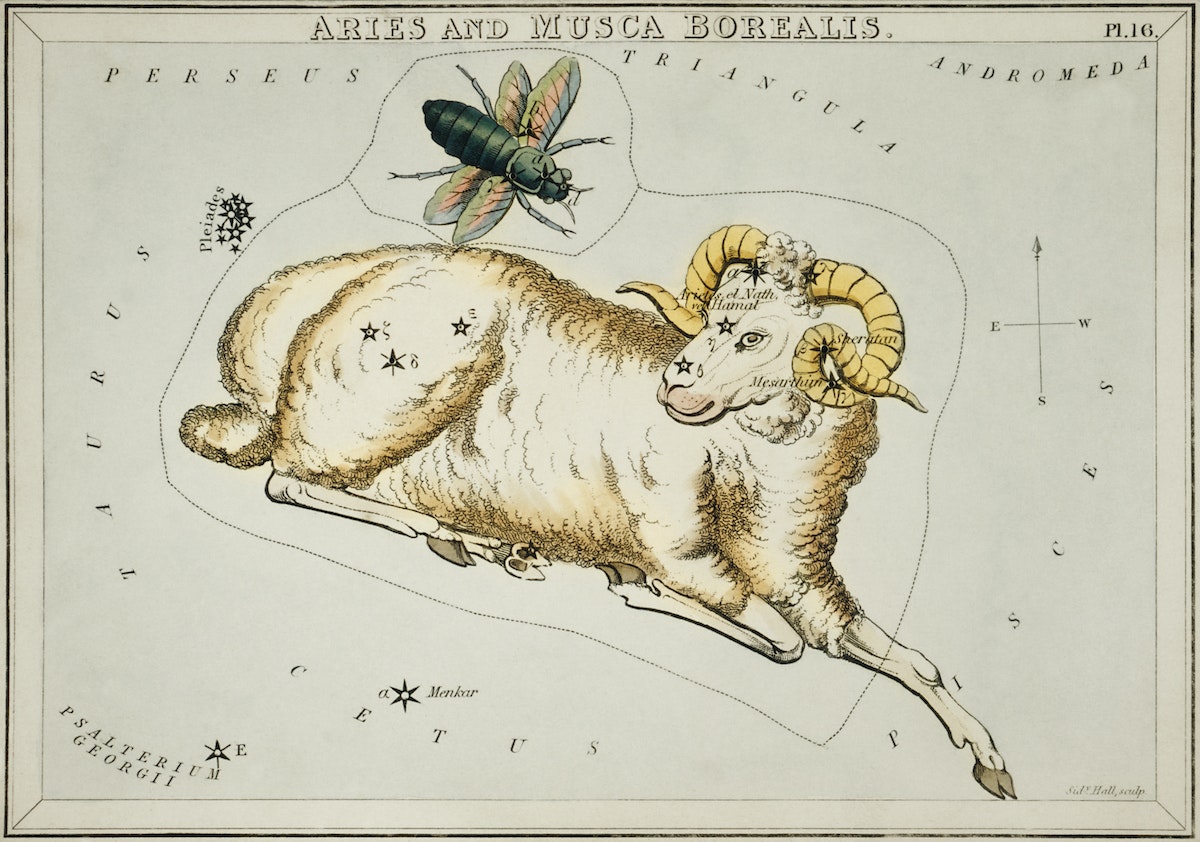
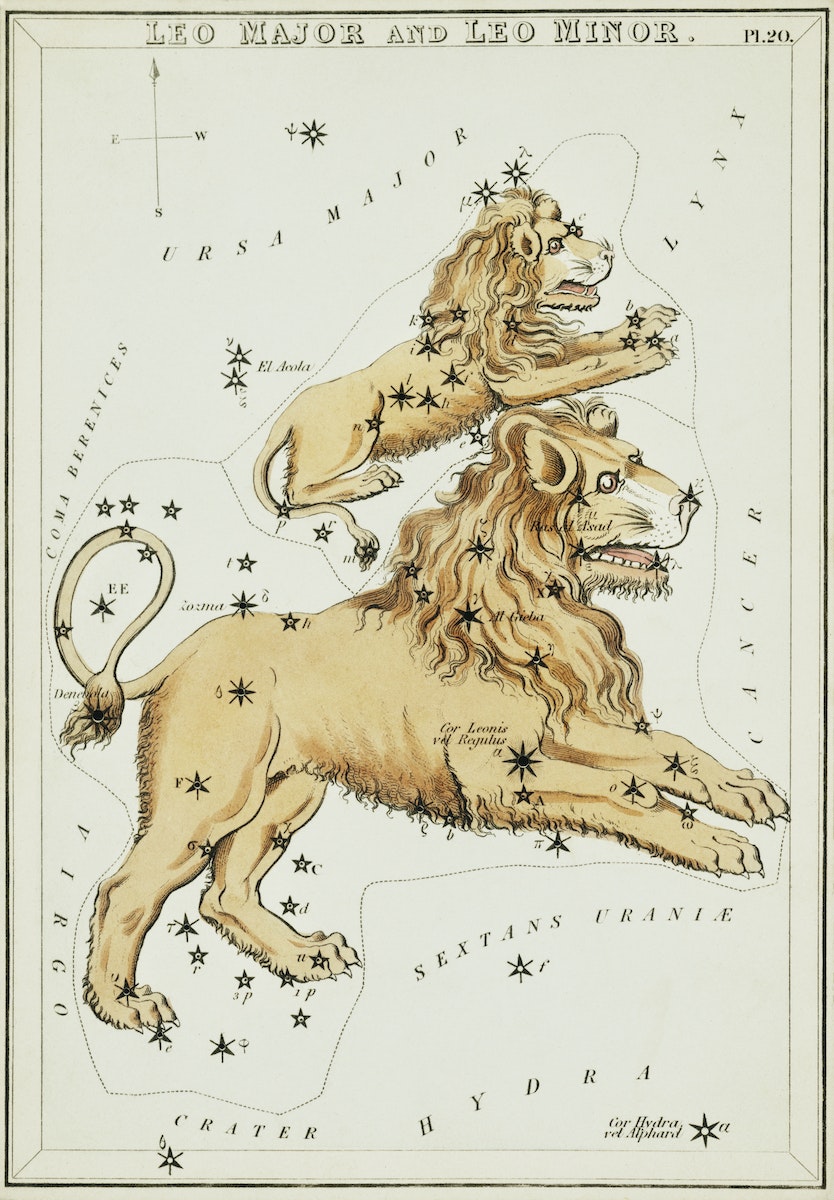
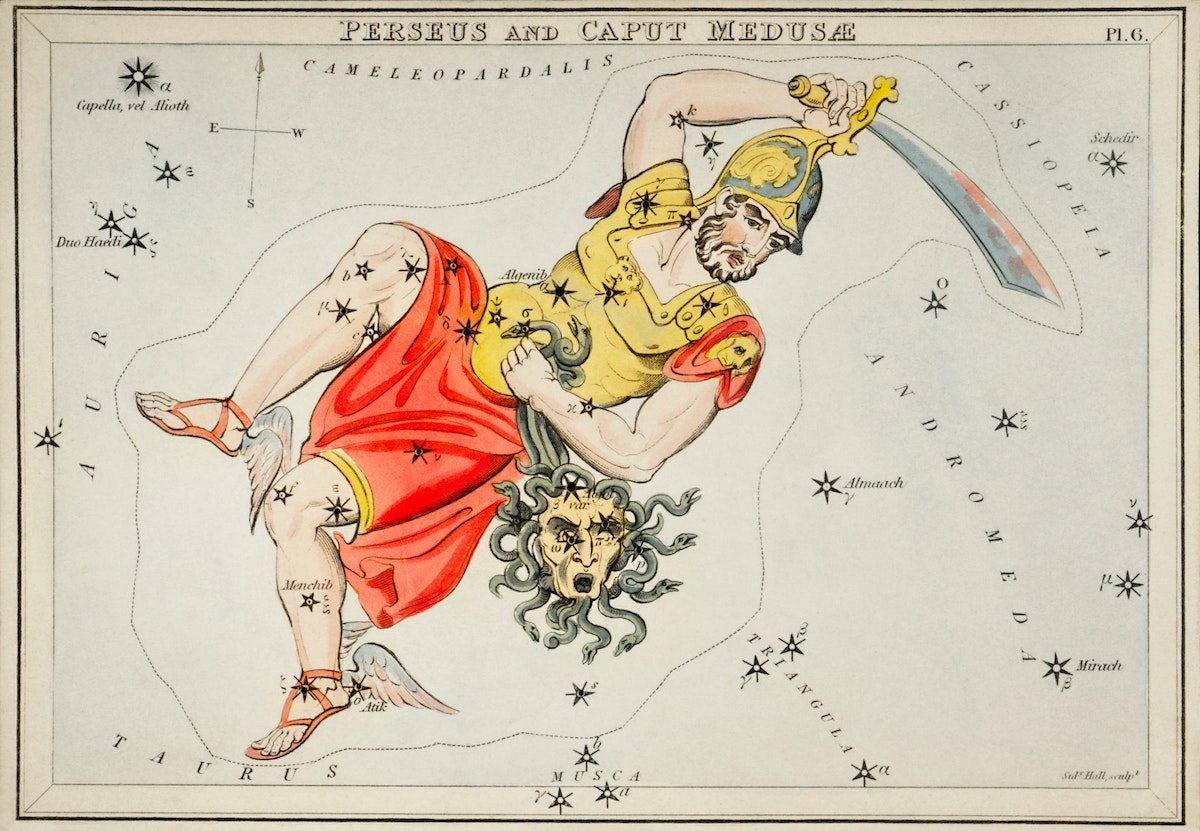
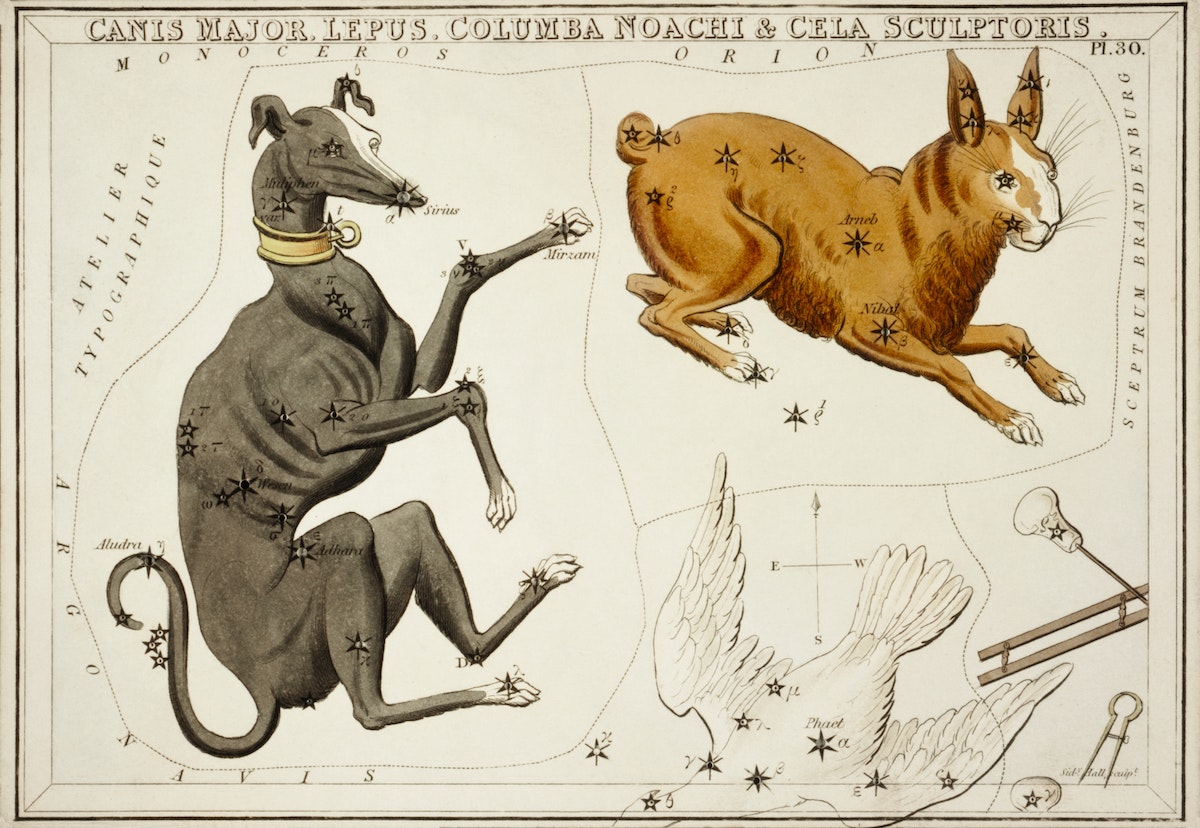
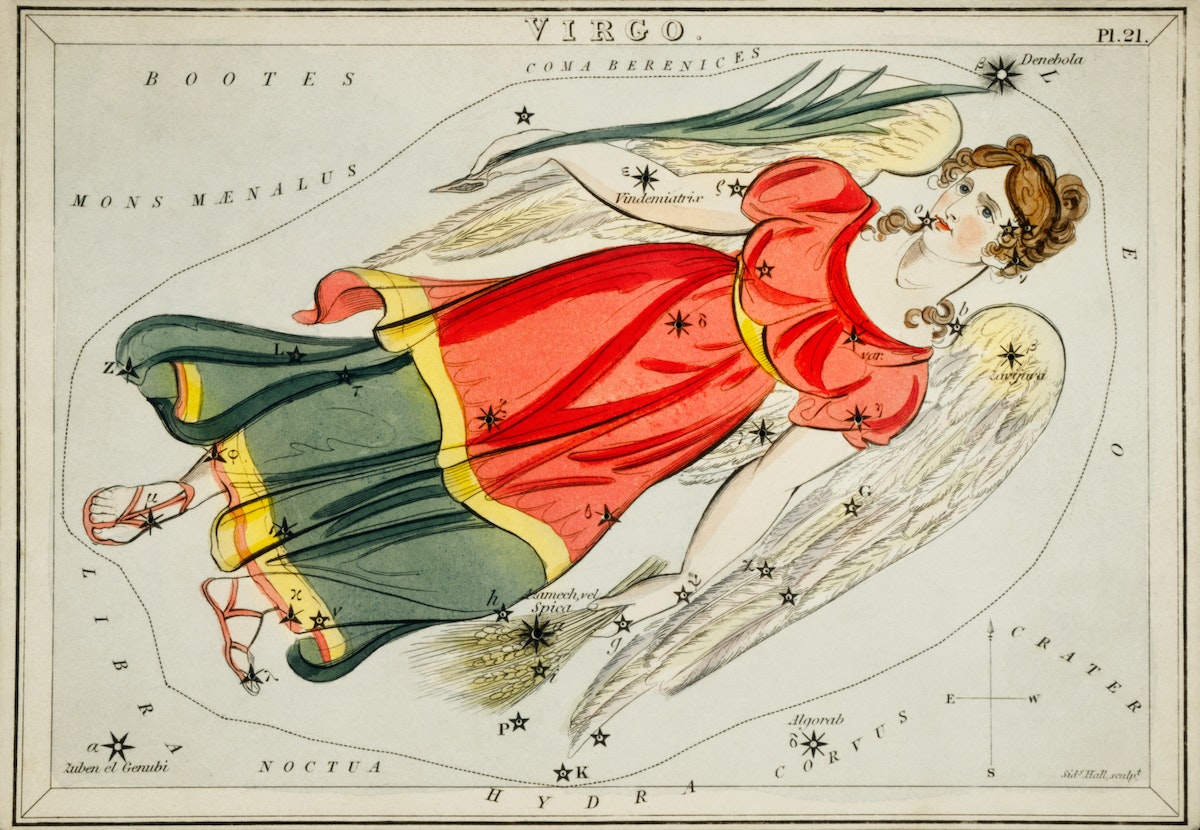
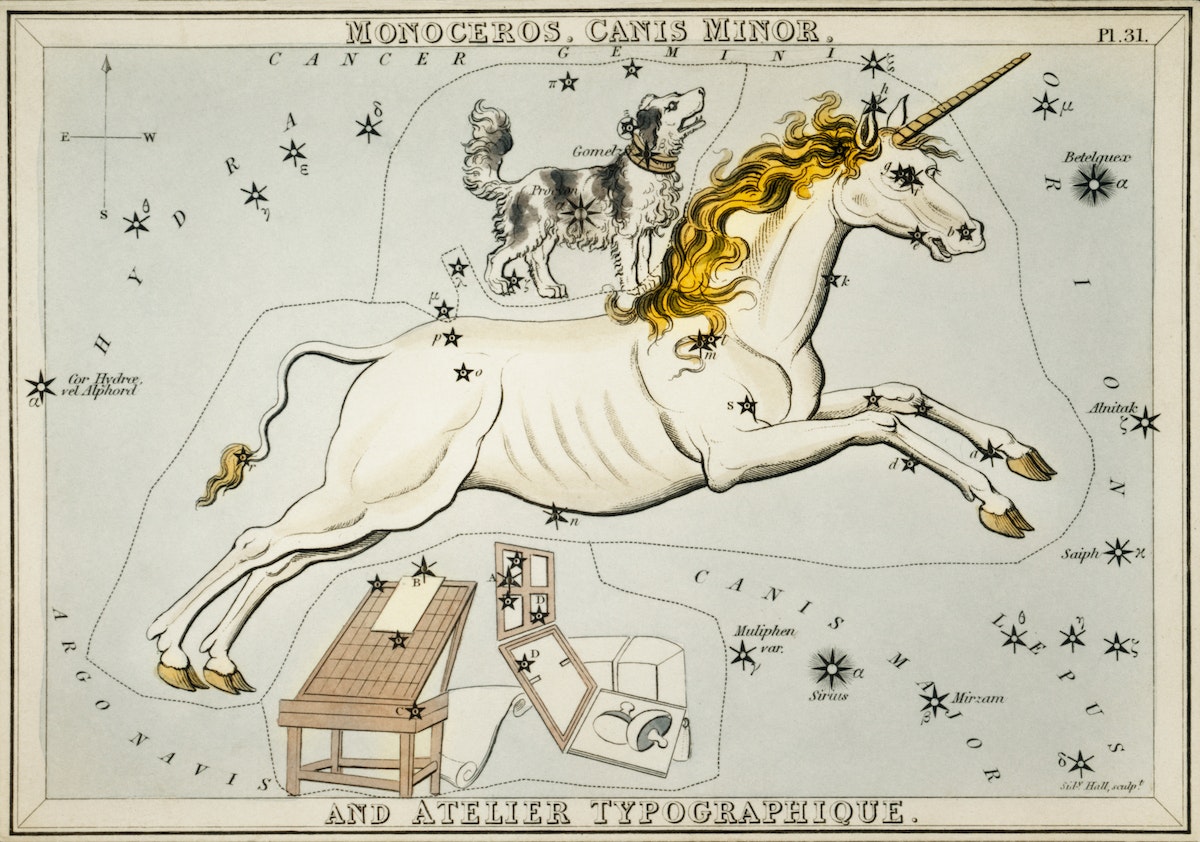
Urania’s Mirror is a set of 32 hand-colored star chart cards, first published in London around 1824–1825. Each card is perforated with holes corresponding to the brightness of stars, allowing viewers to hold them up to the light and see a realistic constellation pattern — a charming and useful tool for amateur stargazers of the time.
The illustrations were based on A Celestial Atlas (1822) by Alexander Jamieson, engraved by Sidney Hall, and said to be designed by “a lady.” For years, speculation surrounded her identity — names like Caroline Herschel and Mary Somerville were suggested — until astronomer P. D. Hingley discovered a document in 1994 attributing authorship to Reverend Richard Rouse Bloxam. Still, some believe his wife, Ann Bloxam, sister of famed portraitist Sir Thomas Lawrence, may have been the true designer or at least a collaborator.
Multiple editions were released in Britain and America during the early 19th-century stargazing boom, and the set has been reprinted many times since — most recently in 2004 by Barnes & Noble under the title The Night Sky: A View of the Heavens.
Gallery
Artworks & Descriptions
Urania’s Mirror is a set of 32 hand-colored star chart cards, first published in London around 1824–1825. Each card is perforated with holes corresponding to the brightness of stars, allowing viewers to hold them up to the light and see a realistic constellation pattern — a charming and useful tool for amateur stargazers of the time.
The illustrations were based on A Celestial Atlas (1822) by Alexander Jamieson, engraved by Sidney Hall, and said to be designed by “a lady.” For years, speculation surrounded her identity — names like Caroline Herschel and Mary Somerville were suggested — until astronomer P. D. Hingley discovered a document in 1994 attributing authorship to Reverend Richard Rouse Bloxam. Still, some believe his wife, Ann Bloxam, sister of famed portraitist Sir Thomas Lawrence, may have been the true designer or at least a collaborator.
Multiple editions were released in Britain and America during the early 19th-century stargazing boom, and the set has been reprinted many times since — most recently in 2004 by Barnes & Noble under the title The Night Sky: A View of the Heavens.
Gallery
Artworks & Descriptions
Urania’s Mirror is a set of 32 hand-colored star chart cards, first published in London around 1824–1825. Each card is perforated with holes corresponding to the brightness of stars, allowing viewers to hold them up to the light and see a realistic constellation pattern — a charming and useful tool for amateur stargazers of the time.
The illustrations were based on A Celestial Atlas (1822) by Alexander Jamieson, engraved by Sidney Hall, and said to be designed by “a lady.” For years, speculation surrounded her identity — names like Caroline Herschel and Mary Somerville were suggested — until astronomer P. D. Hingley discovered a document in 1994 attributing authorship to Reverend Richard Rouse Bloxam. Still, some believe his wife, Ann Bloxam, sister of famed portraitist Sir Thomas Lawrence, may have been the true designer or at least a collaborator.
Multiple editions were released in Britain and America during the early 19th-century stargazing boom, and the set has been reprinted many times since — most recently in 2004 by Barnes & Noble under the title The Night Sky: A View of the Heavens.
Gallery