Erbario: a 15th-century Herbal
Erbario: a 15th-century Herbal
Artist
Unknown
Unknown
Date
February 27, 1500
February 27, 1500
Medium
Ink and watercolor on parchment
Ink and watercolor on parchment
Dimensions
28 × 20 cm
28 × 20 cm
Artworks & Descriptions
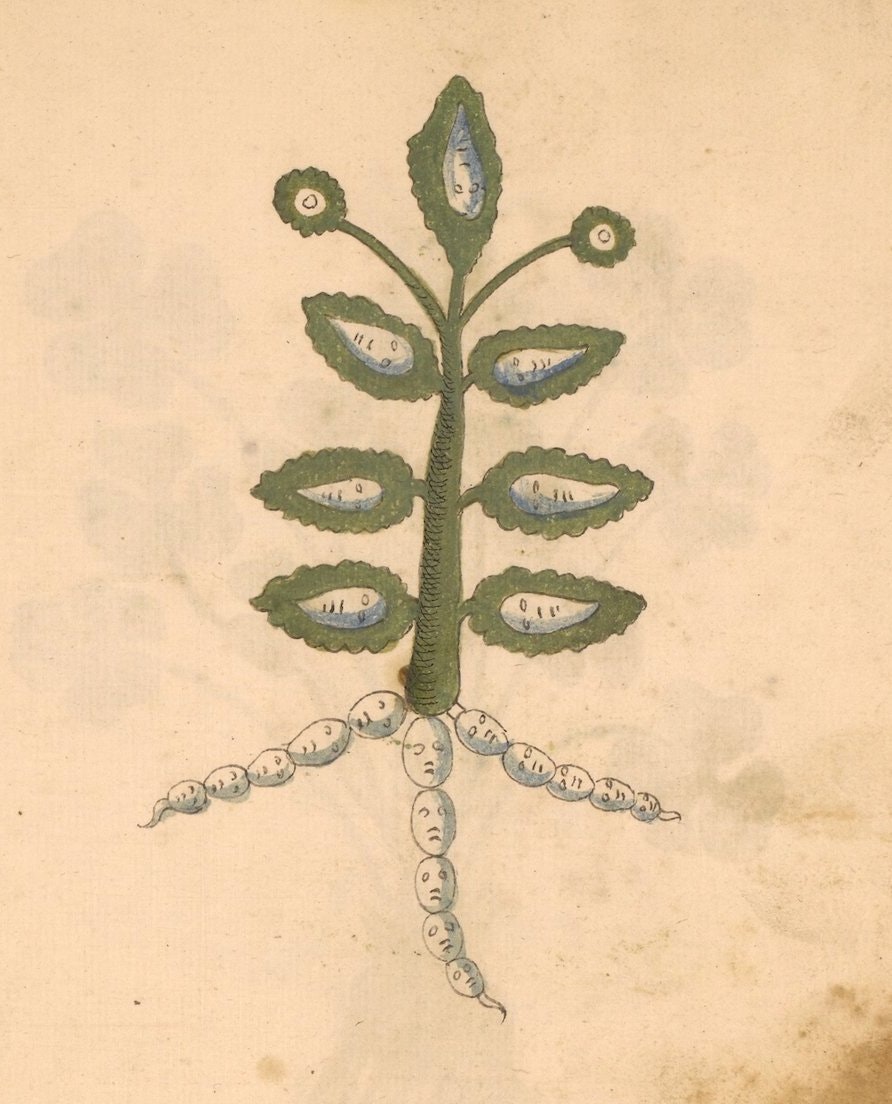
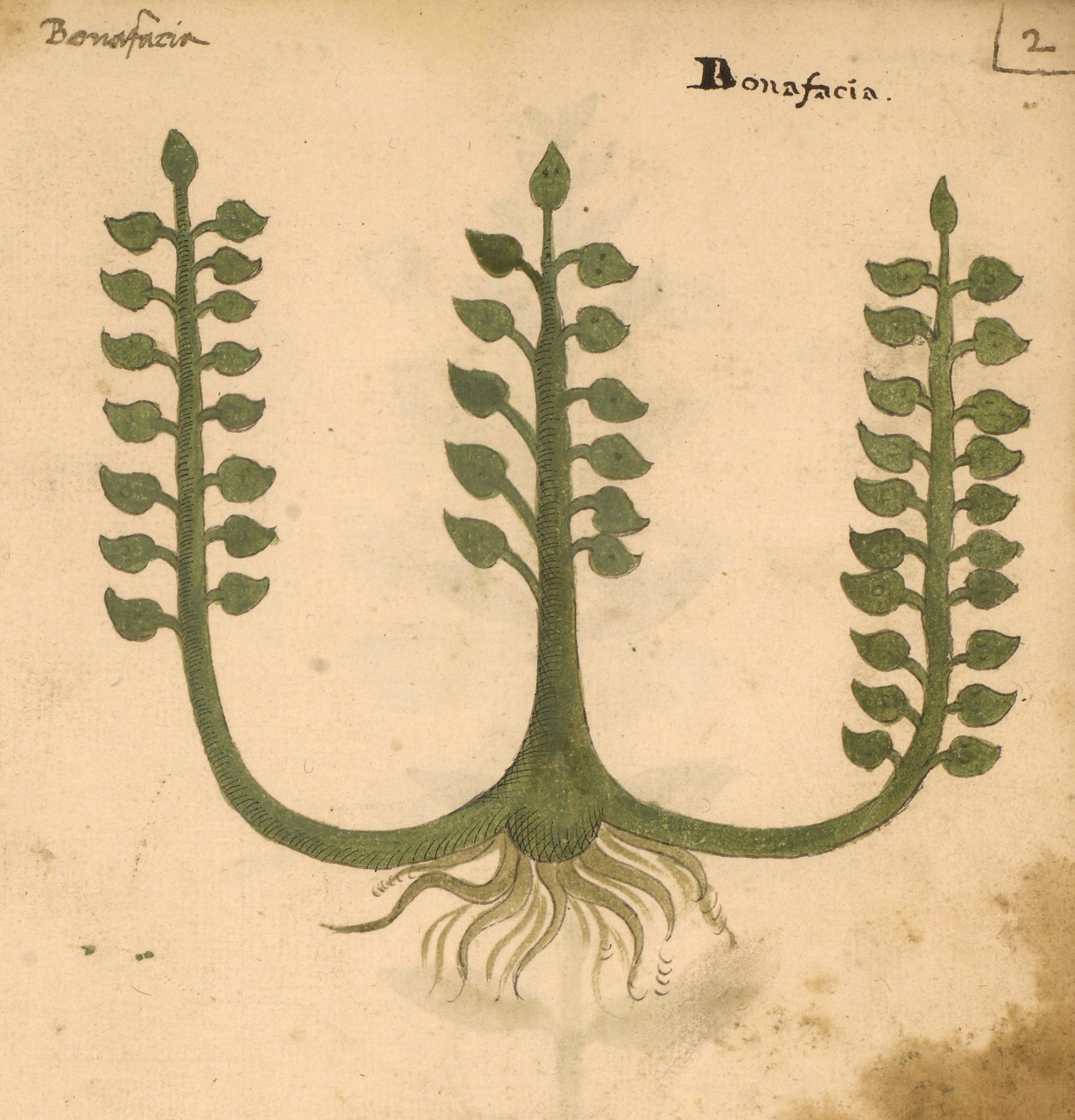
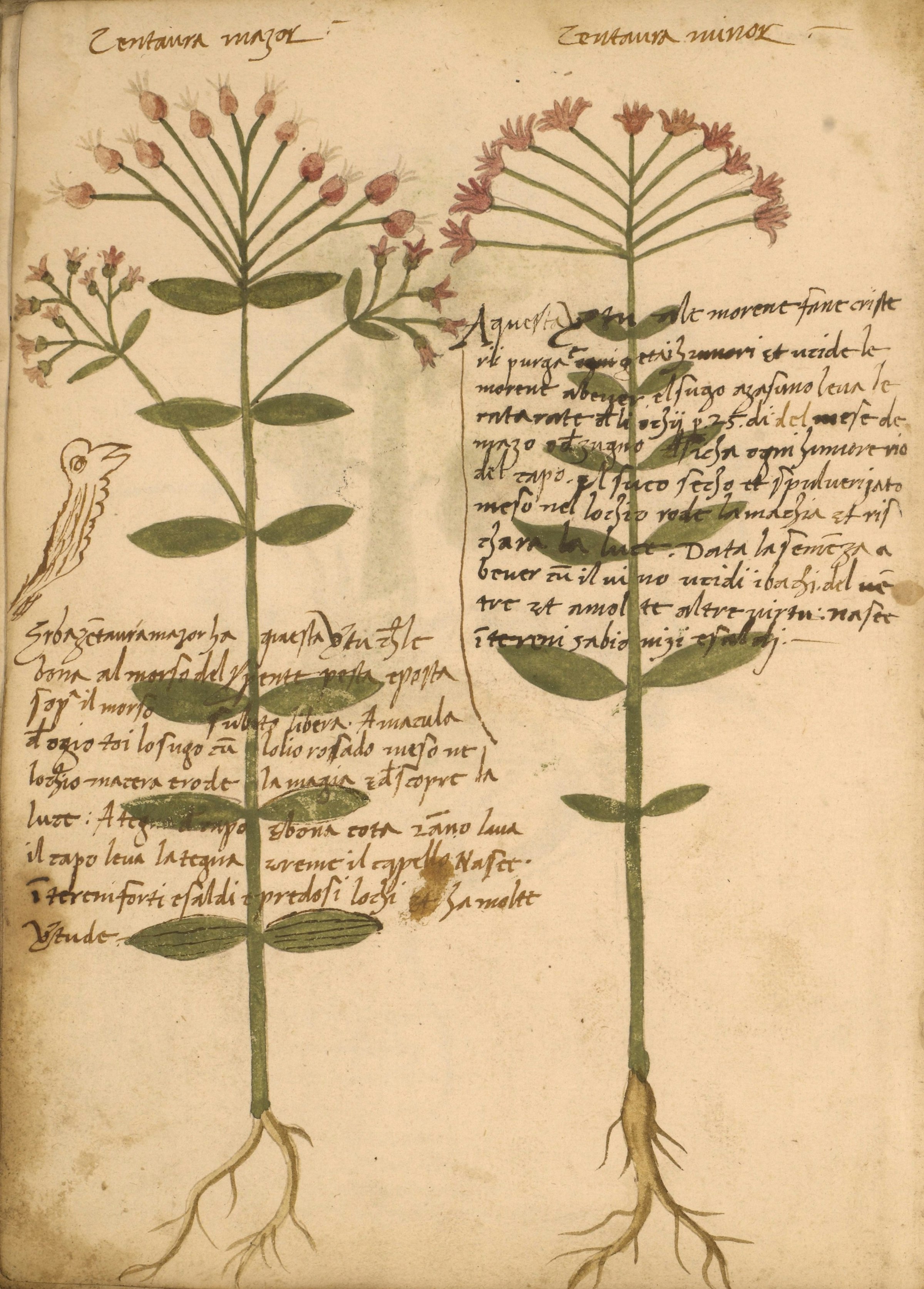
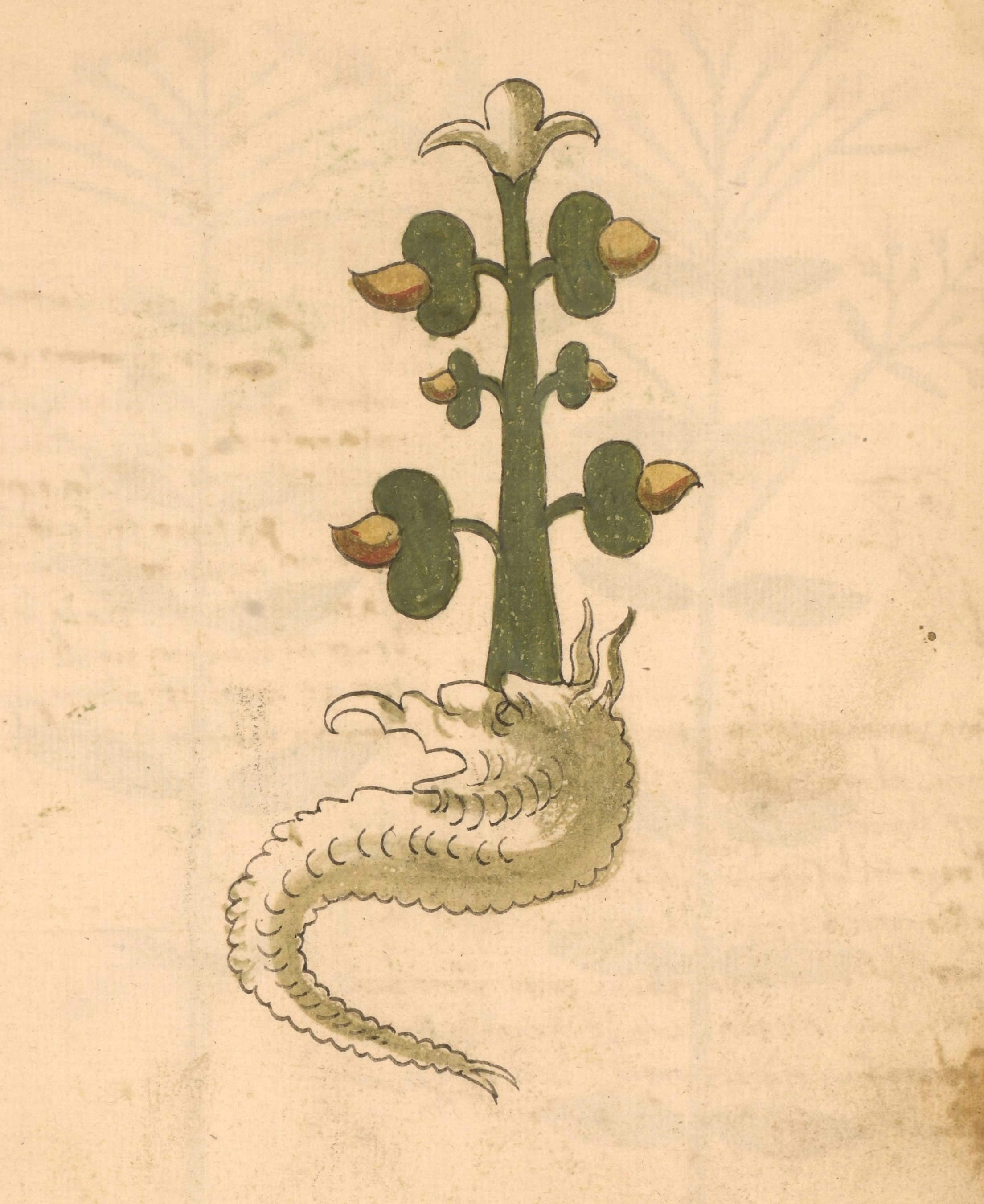
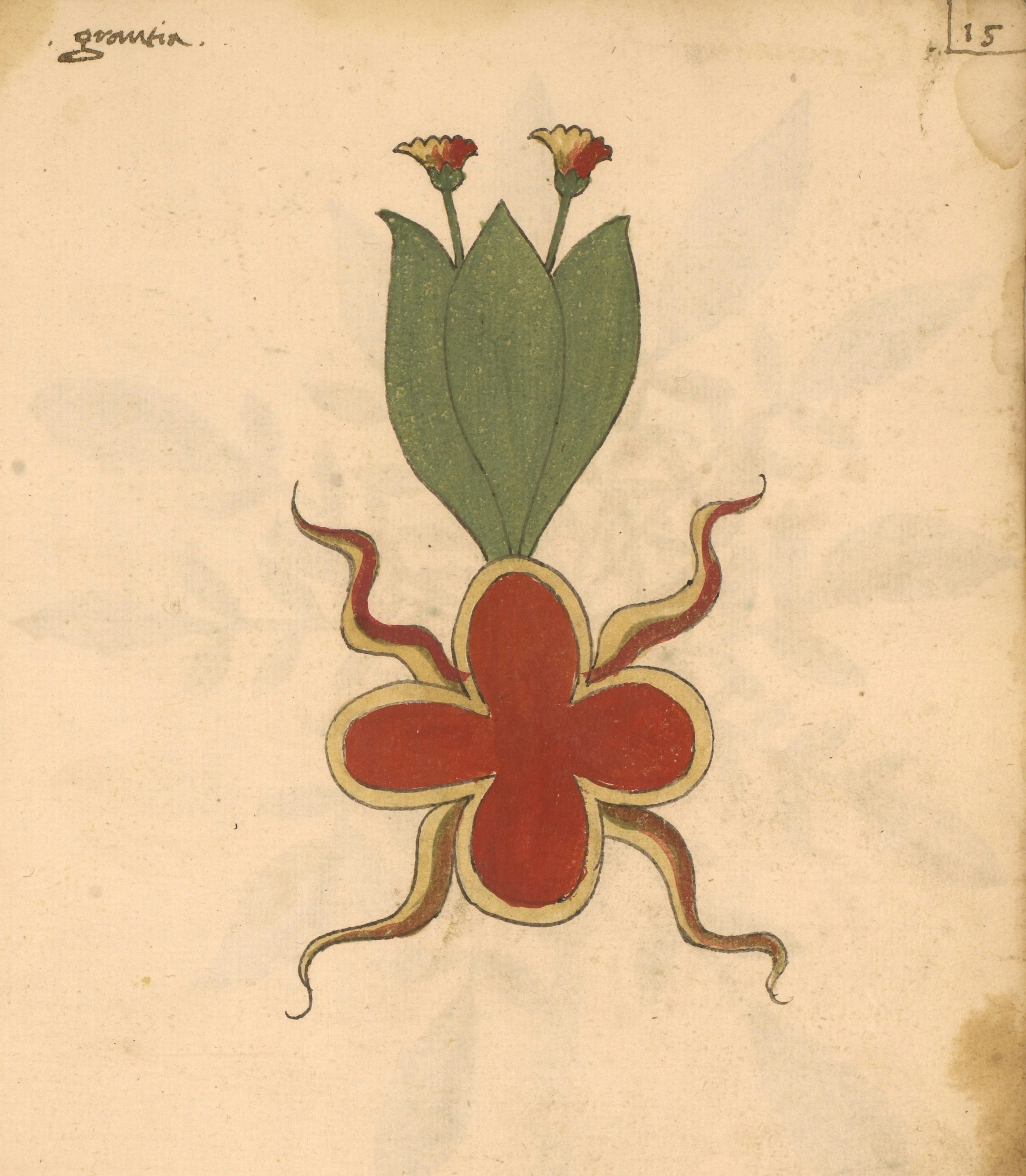
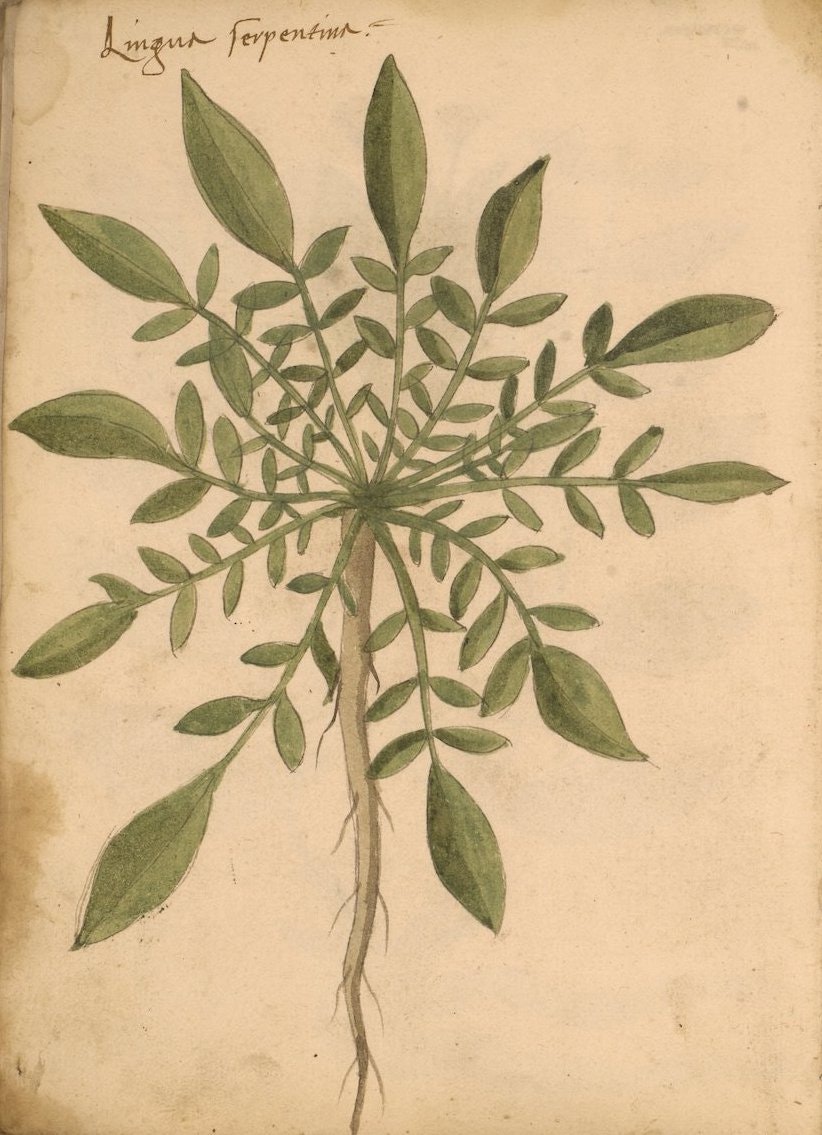
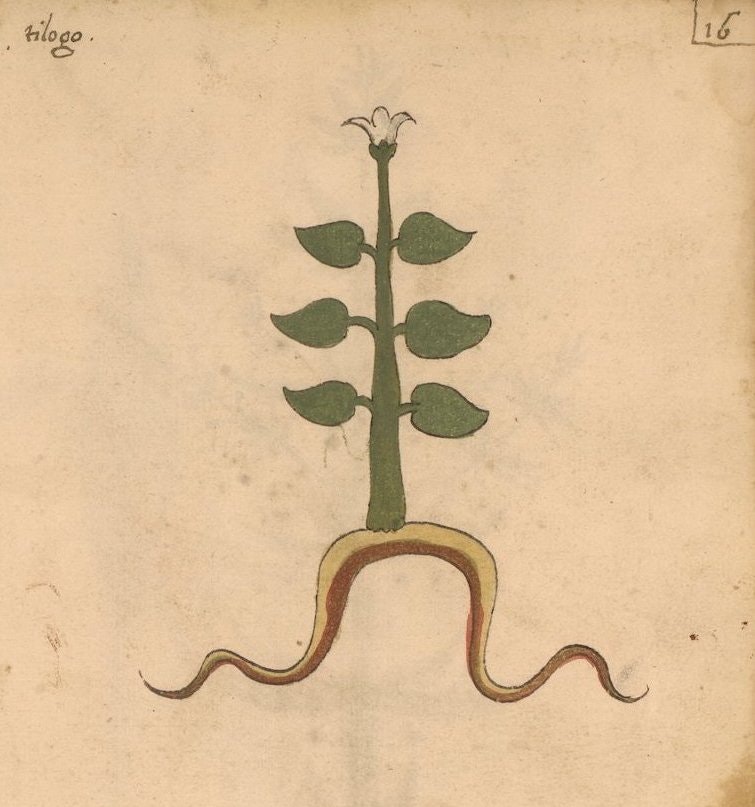
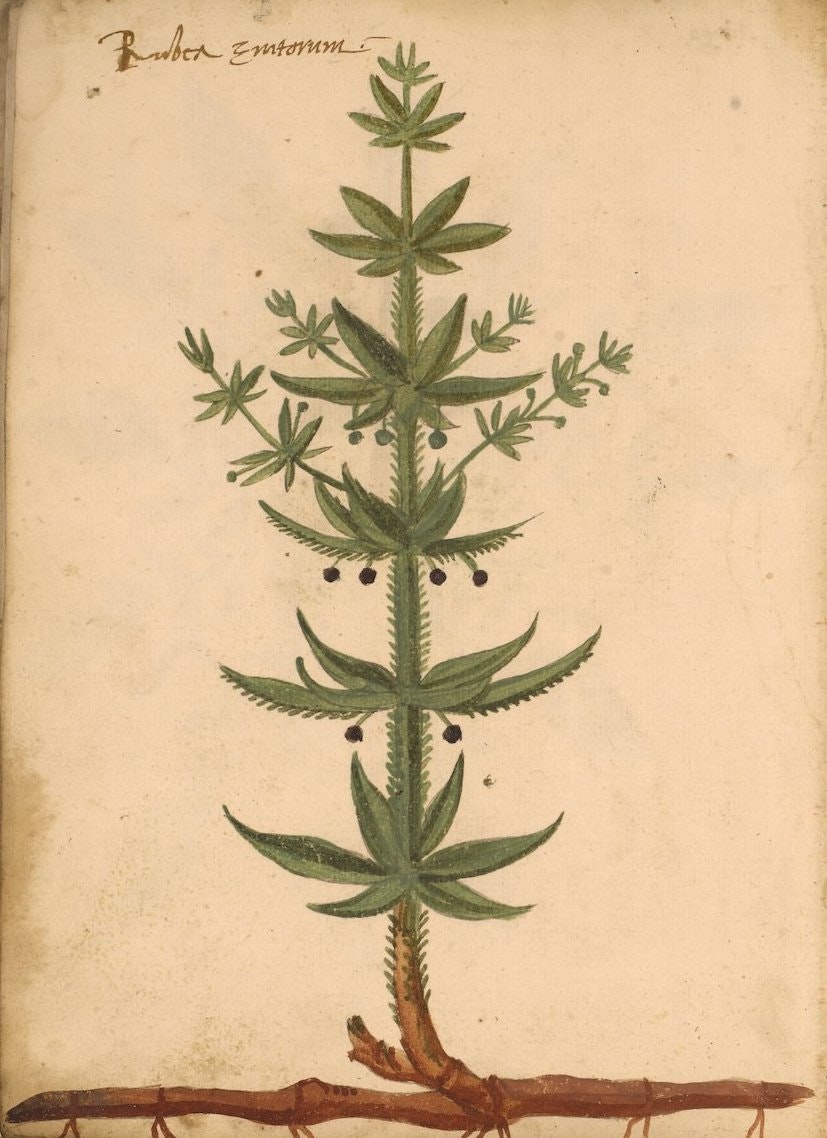
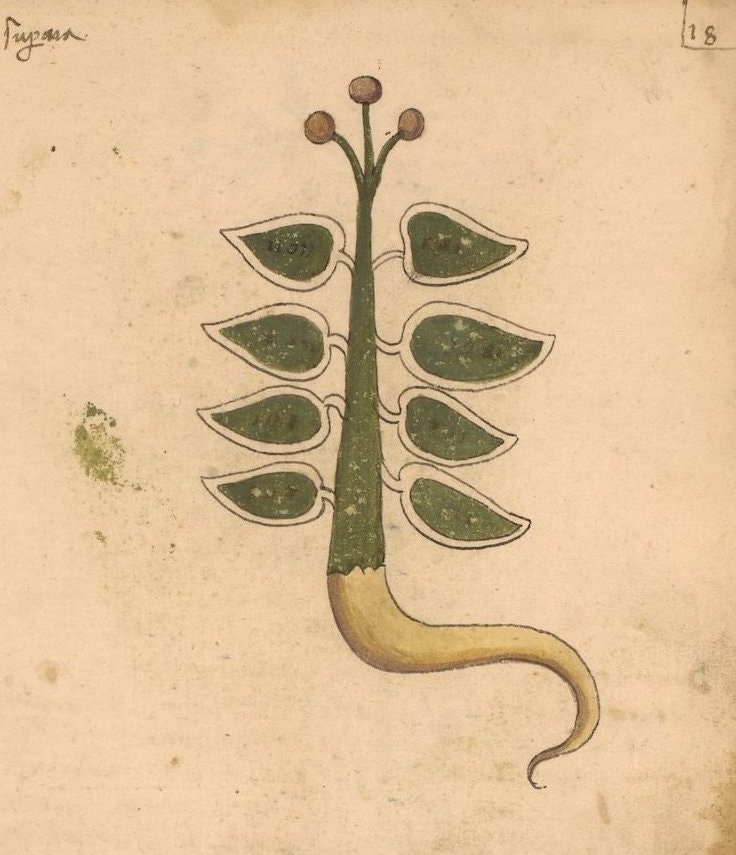
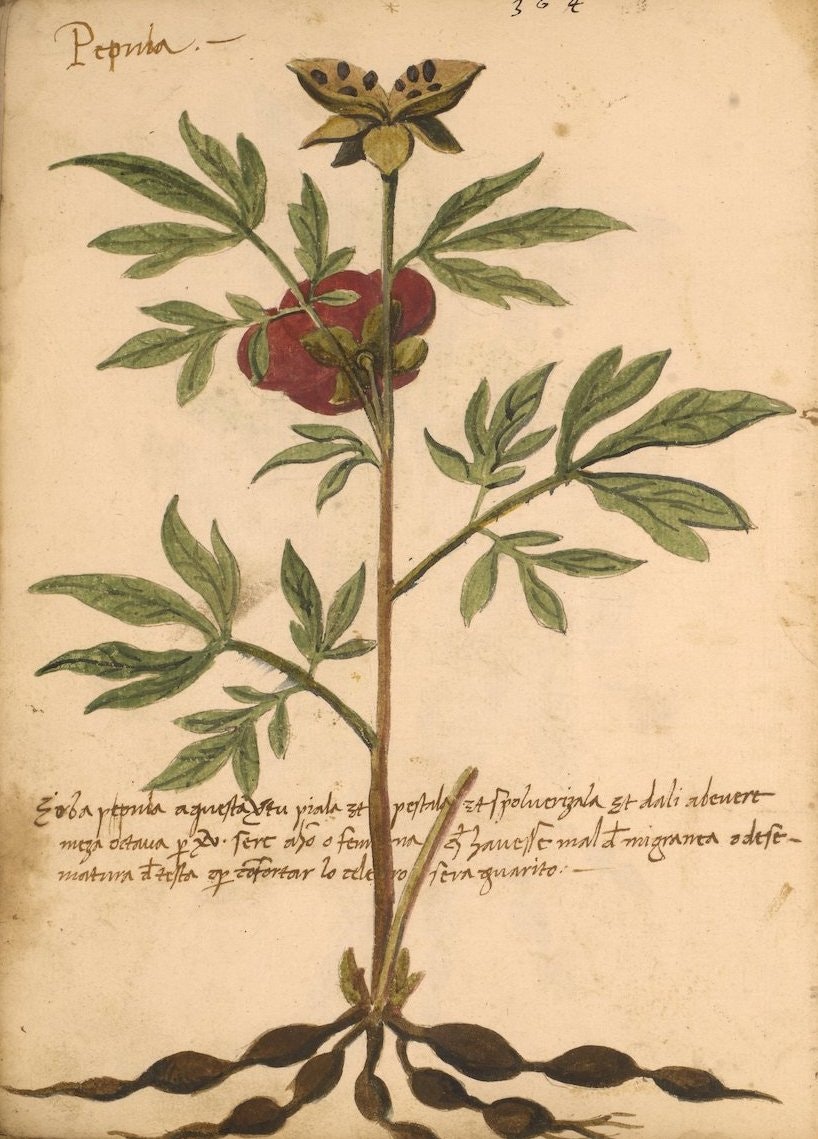
This 15th-century herbal, likely from northern Italy (the Veneto), is a fascinating manuscript that showcases several illustration styles, reflecting multiple generations of additions. Initially, the manuscript contained around seventy highly stylized plant paintings, featuring fantastical elements and following medieval conventions, particularly the Pseudo-Apuleius herbal tradition. Later in the century, additional watercolors of plants were added, along with labels and herbal texts in Italian, creating a stark contrast with the earlier illustrations. Some of these new images are more naturalistic, possibly painted directly from specimens.
At the end of the manuscript, there is a "nature print" of a leaf labeled Salvia salvaticha, indicating the work of the same person who added the second set of illustrations. While the original set with anthropomorphized plants and dragon-shaped roots is the focus here, the full range of styles can be explored on the Penn Libraries website (Ms. LJS 419).
Gallery

Artworks & Descriptions
This 15th-century herbal, likely from northern Italy (the Veneto), is a fascinating manuscript that showcases several illustration styles, reflecting multiple generations of additions. Initially, the manuscript contained around seventy highly stylized plant paintings, featuring fantastical elements and following medieval conventions, particularly the Pseudo-Apuleius herbal tradition. Later in the century, additional watercolors of plants were added, along with labels and herbal texts in Italian, creating a stark contrast with the earlier illustrations. Some of these new images are more naturalistic, possibly painted directly from specimens.
At the end of the manuscript, there is a "nature print" of a leaf labeled Salvia salvaticha, indicating the work of the same person who added the second set of illustrations. While the original set with anthropomorphized plants and dragon-shaped roots is the focus here, the full range of styles can be explored on the Penn Libraries website (Ms. LJS 419).
Gallery
Artworks & Descriptions
This 15th-century herbal, likely from northern Italy (the Veneto), is a fascinating manuscript that showcases several illustration styles, reflecting multiple generations of additions. Initially, the manuscript contained around seventy highly stylized plant paintings, featuring fantastical elements and following medieval conventions, particularly the Pseudo-Apuleius herbal tradition. Later in the century, additional watercolors of plants were added, along with labels and herbal texts in Italian, creating a stark contrast with the earlier illustrations. Some of these new images are more naturalistic, possibly painted directly from specimens.
At the end of the manuscript, there is a "nature print" of a leaf labeled Salvia salvaticha, indicating the work of the same person who added the second set of illustrations. While the original set with anthropomorphized plants and dragon-shaped roots is the focus here, the full range of styles can be explored on the Penn Libraries website (Ms. LJS 419).
Gallery